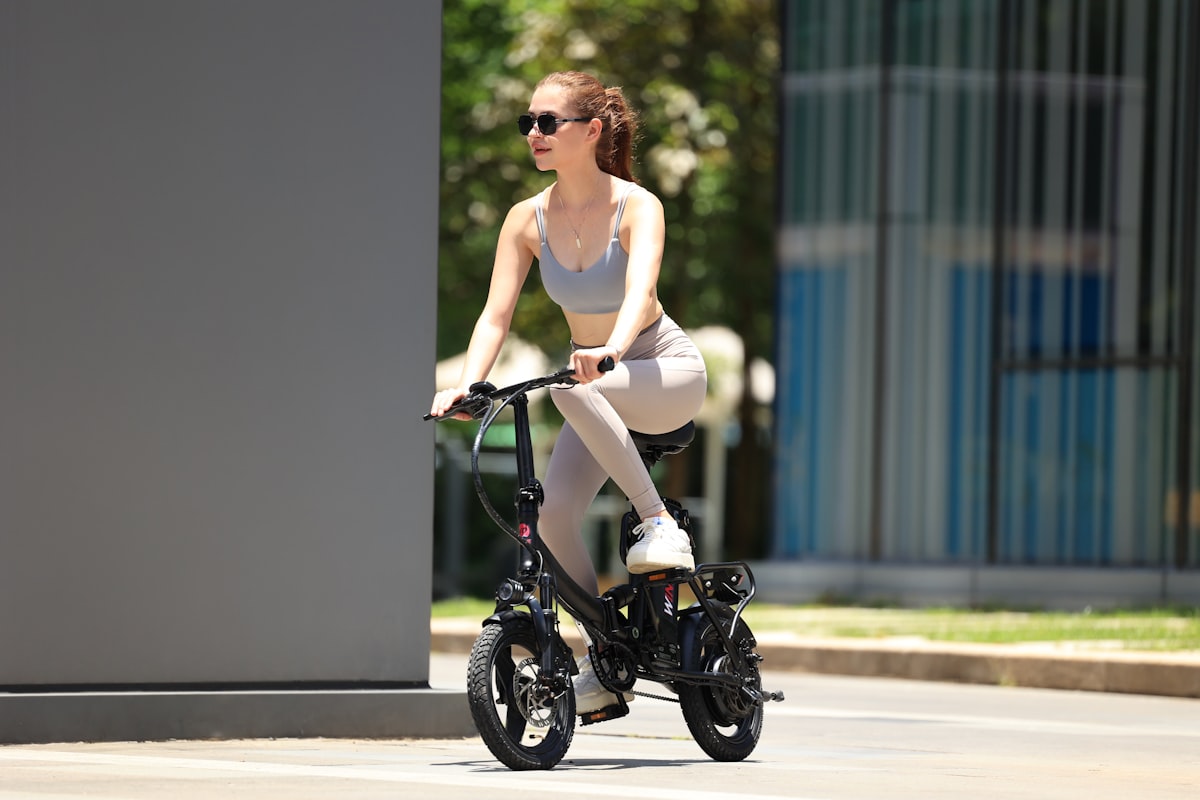
The commuter's guide to folding bikes
A folding bike turns a 45-minute commute into a 20-minute one. Here's how to make it work, from your first fold to your hundredth.
Why commuters love folding bikes
The math is simple. Most urban commutes involve a "last mile" problem, the gap between transit and your destination. Walking takes too long. Ride-shares cost too much. A full-size bike can't go on the train during rush hour and gets stolen if you lock it outside.
A folding bike solves all of this. Ride to the station, fold, board the train, unfold, ride to the office, fold, store it under your desk. No locks, no racks, no theft, no sweat (well, less sweat).
The multimodal advantage
Folding bikes are the ultimate multimodal vehicle. They combine with:
- Trains and subways: most systems allow folded bikes at all times, even during rush hour when full-size bikes are banned
- Buses: fold and store in the luggage area or hold on your lap
- Cars and ride-shares: fits in any trunk or back seat
- Offices: stores under desks, in closets, or in corners. No bike room needed
- Restaurants and shops: bring it inside, folded, like luggage
Transit rules for folding bikes
The golden rule: if it's folded, it's luggage. Most transit authorities treat folding bikes as personal items when folded, exempting them from bicycle restrictions.
| Transit system | Rule for folding bikes |
|---|---|
| London Underground | Folding bikes allowed at all times, all lines. Must be folded. |
| New York MTA | Folding bikes allowed anytime. Full-size bikes banned during rush hour. |
| Tokyo Metro | Folding bikes in bags allowed. Must be in a carrying case. |
| Paris Métro | Folding bikes allowed when folded. Full-size bikes banned. |
| Most US systems | Folding bikes typically exempt from bike restrictions when folded. |
Always check your specific system's current rules. Policies can change, and some systems require the bike to be in a bag.
Office storage solutions
One of the biggest advantages of a folding bike is bringing it inside. Here's how commuters handle office storage:
- Under the desk: the classic move. Works perfectly with Bromptons and other compact folders
- In a closet or coat room: slightly larger folders (20" wheels) fit here easily
- Behind the door: lean it against the wall, folded. Takes up minimal floor space
- In a bike bag: some commuters keep the bike in a carrying bag to avoid tire marks on carpet
Pro tip: talk to your office manager before your first day. Most are fine with it once they see how small a folded bike actually is. Bring it in folded, the visual sells itself.
What to wear
Folding bike commutes are typically short enough that you don't need full cycling gear. Most folder commuters ride in their work clothes with a few adjustments:
- Roll or clip your right pant leg: keeps it out of the chain. Ankle straps work too
- Wear flat-soled shoes: no need for clipless pedals on a 2-mile commute
- Keep a spare shirt at the office: for hot days when you arrive warmer than expected
- Use a pannier or front bag: a backpack creates back sweat. Let the bike carry your stuff
Practical tips from daily commuters
Practice the fold at home
Do 20 folds before your first commute. You want it to be muscle memory, not a fumbling performance at the train platform.
Get a folding pedal
A folding left pedal reduces the folded width by 2–3 inches and prevents shin-scraping. Most bikes come with one; upgrade if yours doesn't.
Carry a micro-lock
A lightweight cable lock lets you secure the bike during quick coffee stops. For longer stops, take it inside. That's the whole point.
Invest in a front bag
Brompton's bag system is legendary, but Tern and Dahon have options too. A good bag replaces your backpack and eliminates back sweat.
Keep a rag at the office
Wet roads mean dirty chains. A quick wipe when you arrive keeps your clothes clean and extends component life.
Lower your saddle before folding
This is step zero. A raised seatpost makes the folded package awkward and catches on doors. Drop it every time.
Rain and weather
You will get rained on. It's not a matter of if. Here's how experienced folder commuters handle it:
- Fenders are non-negotiable: aftermarket clip-on fenders work on most folders. Without them, a wet road turns your back into a mud stripe
- Pack a lightweight rain jacket: something that balls up small and lives in your bag permanently
- Wipe the chain after wet rides: 30 seconds of maintenance prevents premature wear
- Consider tire upgrades: Schwalbe Marathon tires are the gold standard for puncture protection in all conditions
Ready to start?
Check out our best folding bikes of 2026 to find the right bike, or read how to choose a folding bike if you're still deciding what matters most. Torn between the big two brands? See our Brompton vs Dahon comparison.